


High cholesterol is one of the leading risk factors for heart disease and stroke. While lifestyle changes are important, many patients require medication to effectively manage cholesterol levels and reduce cardiovascular risk.
This guide explains how cholesterol medications work, the role of statins, potential side effects, and available alternatives.
Understanding Cholesterol
Cholesterol is a fatty substance found in your blood. Your body needs some cholesterol to build cells and produce hormones, but too much can increase your risk of heart disease.
There are two main types:
- LDL (Low-Density Lipoprotein) – Often referred to as “bad” cholesterol. High levels can lead to plaque buildup in arteries.
- HDL (High-Density Lipoprotein) – Known as “good” cholesterol. Helps remove excess cholesterol from the bloodstream.
Triglycerides, another type of fat in the blood, also contribute to cardiovascular risk when elevated.
Why Medication May Be Necessary
Lifestyle changes such as diet, exercise, and weight management are essential. However, for many patients, these measures alone are not enough to lower cholesterol to safe levels.
Your healthcare provider may recommend medication if you:
- Have high LDL cholesterol
- Have diabetes
- Have a history of heart attack or stroke
- Have high cardiovascular risk based on lab results and medical history
What Are Statins?
Statins are the most commonly prescribed cholesterol-lowering medications.
They work by blocking an enzyme in the liver that produces cholesterol, thereby reducing LDL levels in the blood.
Common statins include:
- Atorvastatin
- Rosuvastatin
- Simvastatin
- Pravastatin
Statins have been extensively studied and are proven to:
- Lower LDL cholesterol
- Reduce the risk of heart attack
- Reduce the risk of stroke
- Improve long-term cardiovascular outcomes
How Effective Are Statins?
Statins can lower LDL cholesterol by 30% to 60%, depending on the medication and dose.
For patients with high cardiovascular risk, statins significantly reduce the likelihood of serious cardiac events.
Because of their proven benefits, statins are considered first-line therapy for high cholesterol in many patients.

Common Side Effects of Statins
Most people tolerate statins well. However, side effects can occur.
The most commonly reported include:
- Muscle aches or soreness
- Mild digestive issues
- Headache
- Fatigue
In many cases, muscle symptoms are mild and temporary.
Rare but Serious Side Effects
Although uncommon, more serious side effects may include:
- Significant muscle injury (rhabdomyolysis)
- Elevated liver enzymes
- Increased blood sugar levels
Routine blood work may be recommended to monitor liver function and overall response to therapy.
Patients should contact their healthcare provider if they experience:
- Severe muscle pain
- Dark-colored urine
- Persistent weakness
What If You Cannot Tolerate Statins?
Some patients experience side effects that make statins difficult to continue. In these cases, alternatives may be considered.
Alternative Cholesterol Medications
1. Ezetimibe
Ezetimibe works by reducing cholesterol absorption in the intestines. It is sometimes used alone or combined with a statin.
2. PCSK9 Inhibitors
Injectable medications such as:
- Alirocumab
- Evolocumab
These significantly lower LDL cholesterol and are often used in high-risk patients or those who cannot tolerate statins.
3. Bempedoic Acid
Bempedoic acid is an oral medication that lowers LDL cholesterol and may be an option for certain patients.
4. Fibrates
Used primarily to lower triglycerides rather than LDL cholesterol.
5. Omega-3 Prescription Medications
Prescription-strength omega-3 products may help reduce triglyceride levels in select patients.
Lifestyle Still Plays a Key Role
Medication works best when combined with healthy lifestyle habits:
- Heart-healthy diet (rich in vegetables, whole grains, lean proteins)
- Reduced saturated and trans fats
- Regular physical activity
- Weight management
- Smoking cessation
Lifestyle modification enhances medication effectiveness and improves overall cardiovascular health.
How Long Do You Need to Take Cholesterol Medication?
For many patients, cholesterol management is long-term.
High cholesterol often does not cause symptoms, so stopping medication without medical guidance can increase cardiovascular risk.
Your provider will assess:
- Your cholesterol levels
- Overall risk factors
- Response to therapy
Treatment plans are individualized.
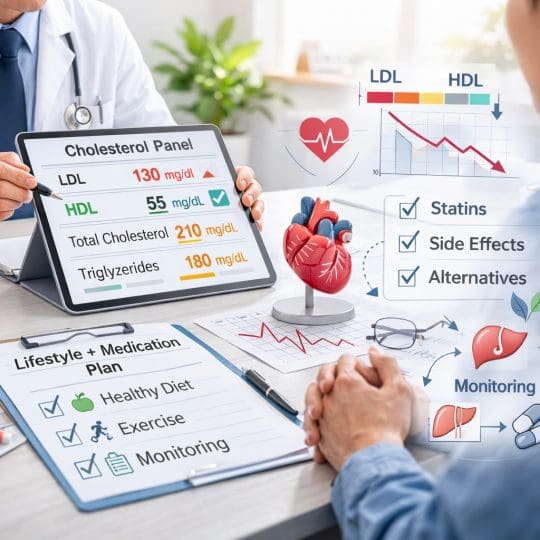
Monitoring and Follow-Up
Patients taking cholesterol medications typically undergo periodic blood tests to monitor:
- LDL cholesterol
- HDL cholesterol
- Triglycerides
- Liver function
Regular follow-up ensures the medication is working effectively and safely.
Questions to Discuss With Your Healthcare Provider
Before starting or changing cholesterol medication, consider discussing:
- Your LDL and triglyceride goals
- Potential side effects
- Drug interactions
- Duration of treatment
- Lifestyle recommendations
Clear communication supports safe and effective treatment.
Summary
Cholesterol medications, particularly statins, are effective and well-studied treatments for reducing LDL cholesterol and lowering the risk of heart disease and stroke.
Most patients tolerate statins well. For those who cannot, alternative therapies are available.
Proper monitoring, medication adherence, and healthy lifestyle choices together provide the best protection against cardiovascular disease.
If you have questions about your cholesterol medication, speak with your healthcare provider or pharmacist for personalized guidance.
Medical Disclaimer
This content is for informational purposes only and does not constitute medical advice. Always consult a licensed healthcare professional before starting, stopping, or changing any medication.